How Morocco's 2030 World Cup Creates Golden Language Opportunities
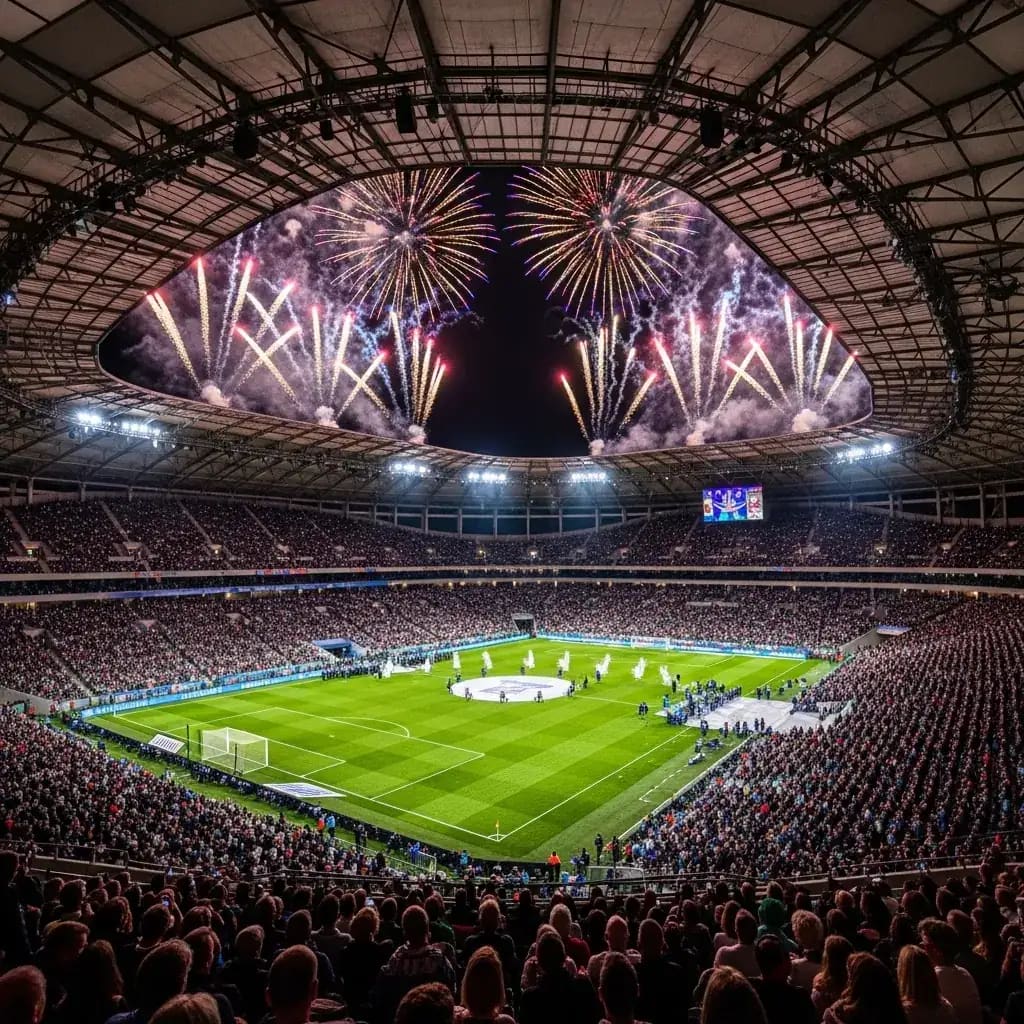
The announcement that Morocco will co-host the 2030 FIFA World Cup alongside Spain and Portugal has sparked immense excitement and anticipation across the nation. This monumental event isn't just about football; it's a powerful catalyst for economic growth, massive infrastructure development, and, most importantly, unprecedented job creation. For forward-thinking individuals looking to capitalize on these upcoming opportunities, developing one key asset will be more clinical than ever: language skills. The influx of millions of tourists, officials, athletes, and media from around the globe will make multilingual professionals the most valuable players in the job market. For insights on global multilingual career opportunities, see Forbes – Why Learning a Language Could Save Your Career.
A Global Stage Demands Global Communication
Imagine the scene in 2030: fans pouring in from Spain, Portugal, Argentina, Brazil, the USA, the UK, Germany, and beyond. This diverse, global audience will need assistance at every turn—from navigating airports and stadiums to ordering in restaurants and booking tours. The demand for individuals who can bridge communication gaps will be at an all-time high, creating a golden age for those who have invested in learning new languages.
This isn't just about simple translations; it's about providing a welcoming, seamless, and high-quality experience that showcases Moroccan hospitality to the world. Professionals who can communicate effectively will be at the forefront of this national effort.
Key Languages to Master for 2030 Success
While Arabic (Darija) and French are foundational, adding other languages to your skillset will make you an incredibly attractive candidate. Here are the top languages to focus on:
- Spanish & Portuguese: With Spain and Portugal as co-hosts and a huge number of fans expected from Latin America, proficiency in these languages will be in extremely high demand. This is arguably the most strategic language investment you can make.
- English: As the world's primary lingua franca, strong English skills will be non-negotiable for almost any role in the tourism, event, and international business sectors. From event management to VIP services, English will be the default language for global coordination.
- German: Germany is a powerhouse of both football and tourism. Being able to assist German-speaking visitors will be a significant advantage in the hospitality sector.
Top Industries Hiring Multilingual Talent
The opportunities will span across various sectors, creating a diverse job market:
- Tourism & Hospitality: Hotels, restaurants, tour operators, and transportation services will need staff who can provide excellent service to a diverse clientele.
- Event Management & Logistics: Coordinating with international teams from FIFA, national federations, volunteers, and suppliers will require clear communication in multiple languages.
- Media, Translation & Interpretation: Journalists, broadcasters, and professional translators/interpreters will be essential to cover the event for a global audience.
- Retail and Customer Service: Shops, malls, and visitor centers will need multilingual staff to assist international shoppers.
The 2030 World Cup is more than a tournament; it's a decade-long opportunity for personal and professional growth. By starting your language learning journey today, you are investing in a future filled with exciting career prospects.